Transforming Healthcare with Personalized 3D-Printed Implants
We hold proprietary expertise in 3D printing of osseointegrative materials, AI-based planning and design automation tools, and digital health solutions to provide seamless data-backed care to optimize individual patient outcomes. Our solutions are as unique as the patients and surgeons we assist — because one size doesn’t fit all.
Our personalized 3D printed orthopaedic implants enable surgeons to repair the human body in innovative new ways. Each product is expertly designed based on scientific research and manufactured using the latest advanced technology.
Personalized Precision
restor3d delivers patient-specific 3D-printed implants, tailored to each individual’s anatomy, ensuring better fit, function, and surgical outcomes.
Enabling Technologies
Combining advanced 3D printing, AI-driven design, and digital health solutions, restor3d leads personalized musculoskeletal reconstruction with efficient, scalable care.
Unmatched Expertise
Restor3d operates on a data first approach to enhance implant architecture with expertise in osseointegrative biomaterials.
Healthcare Professionals
Our Technology is Elevating Orthopaedic Surgery
Achieve superior anatomical fit to repair and restore patients based on their unique anatomy with tools for pre-surgical planning, precise cut and implant placement.
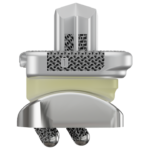
Foot and Ankle
Scientifically developed foot & ankle solutions for Total Ankle Replacement and beyond.
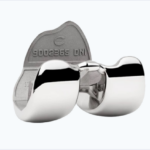
Knee
Personalized total knee solutions to ensure patient satisfaction and mobility.
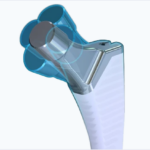
Hip
Total hip personalization offers patient specific planning and personalized instrumentation.
Personalized devices are designed to match your unique anatomy.
Our Mission
Every patient deserves personalized care
At restor3d, we understand that the patient’s journey extends far beyond the operating room. It encompasses every aspect of care, from the initial consultation to post-operative recovery. That’s why we are dedicated to creating personalized, 3D-printed implants that not only meet the unique anatomical needs of each patient but also enhance overall post-operative experience. By putting the patient at the heart of everything we do, we ensure that every step of their journey is as seamless and supportive as possible.


